 Photo by Blervis, CC BY 4.0, via Wikimedia Commons
The Falcons Traded a Defensive Tackle for a Defensive Tackle. That's the Point.
Ruke Orhorhoro played all 17 games last season and produced 3.5 sacks. Ian Cunningham traded him anyway — for a player at the same position, from the same draft class, picked 13 spots later. This is not a football trade. This is a philosophy statement four days before the draft.
Ruke Orhorhoro played all 17 games last season. He produced 3.5 sacks, 25 tackles, 6 quarterback hits, and 4 tackles for loss. Those are not the numbers of a player you trade for nothing more than another defensive tackle.
Unless the numbers are not the point.
The Falcons sent Orhorhoro to Jacksonville on Thursday for Maason Smith — a straight swap, no picks attached, both players second-round selections in 2024 separated by 13 draft spots. Player-for-player exchanges at the same position are vanishingly rare in the NFL. Two front offices looked at the same position group, decided the other team's second-rounder fit their scheme better than their own, and made the call.
Orhorhoro was a Terry Fontenot pick, drafted into a different defensive scheme under a different coaching staff. Respectable 2025 production was apparently insufficient evidence that he belonged in Nick Ulbrich's front. Cunningham looked at a 24-year-old who started 17 games and decided the fit was wrong.
Smith, at 23, comes from a Jacksonville defense that asked different things from its interior. He moved from rotational role to starter by season's end. The Falcons are betting his traits translate better to what Ulbrich wants from a three-technique — and they are making that bet without adding draft capital. They are not asking this trade to be transformative. They are asking it to be directional.
That is the Cunningham signature. Every move since January — Taylor, Brown, Tua on a veteran minimum — has been designed to align the roster with scheme at a cost that preserves flexibility. The Smith swap is the same logic applied to a player the previous GM drafted.
The caveat: this does not solve the interior defensive line. Atlanta allowed 4.6 yards per carry last season, 25th in the NFL. DT remains a need heading into Wednesday night, when Cunningham picks at No. 48 with the constrained capital I outlined two days ago. Miller, Hunter, and Banks are still on the board at that range.
What the trade does is clarify the criteria. Cunningham is curating, not stockpiling — scheme fit over résumé, the right player in his system over a productive player in someone else's.
Four days before the draft, with five picks and no first-rounder, that is the line this front office is drawing.
The Tilt
The Orhorhoro-Smith swap is Cunningham telling you that production in the wrong scheme is not production he values. DT remains a draft need regardless.
— Miles Grady
What's your take?
Keep Reading
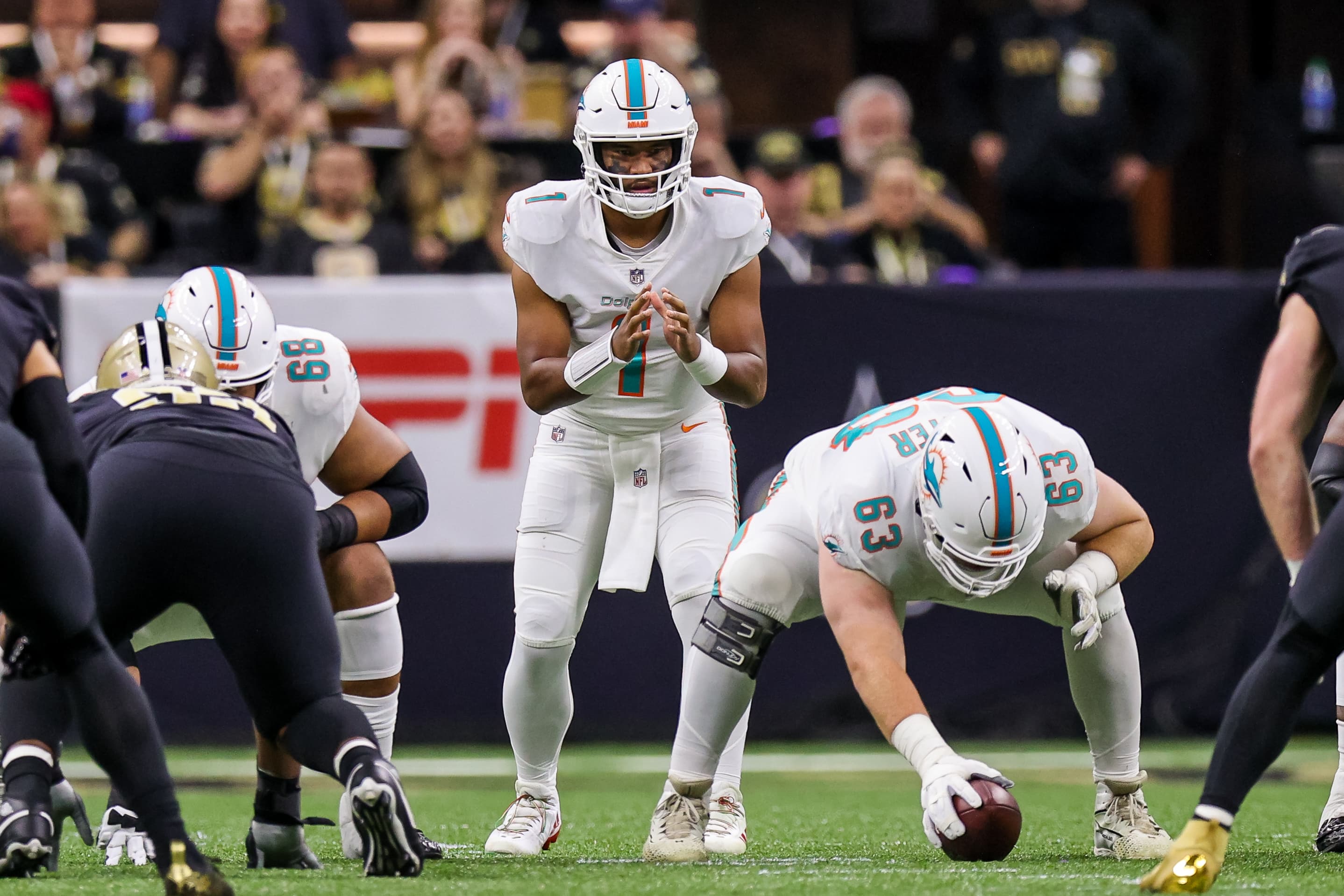
The Test Is Built to Say Yes
Kevin Stefanski said out loud on Monday what the orthopedic literature has been saying for years: the test that clears a knee was never designed to measure whether a quarterback can play. Here is what it actually measures, what it structurally cannot, and what Atlanta is really giving up by making the eighth pick of the 2024 draft inactive.
The Rescue Quarterback Is Already on the Roster
The loudest demand in Atlanta on Monday was for somebody to go get a quarterback. He is already on the roster, he cost the eighth pick in the draft, and he spent Monday saying out loud that he is not ready yet.
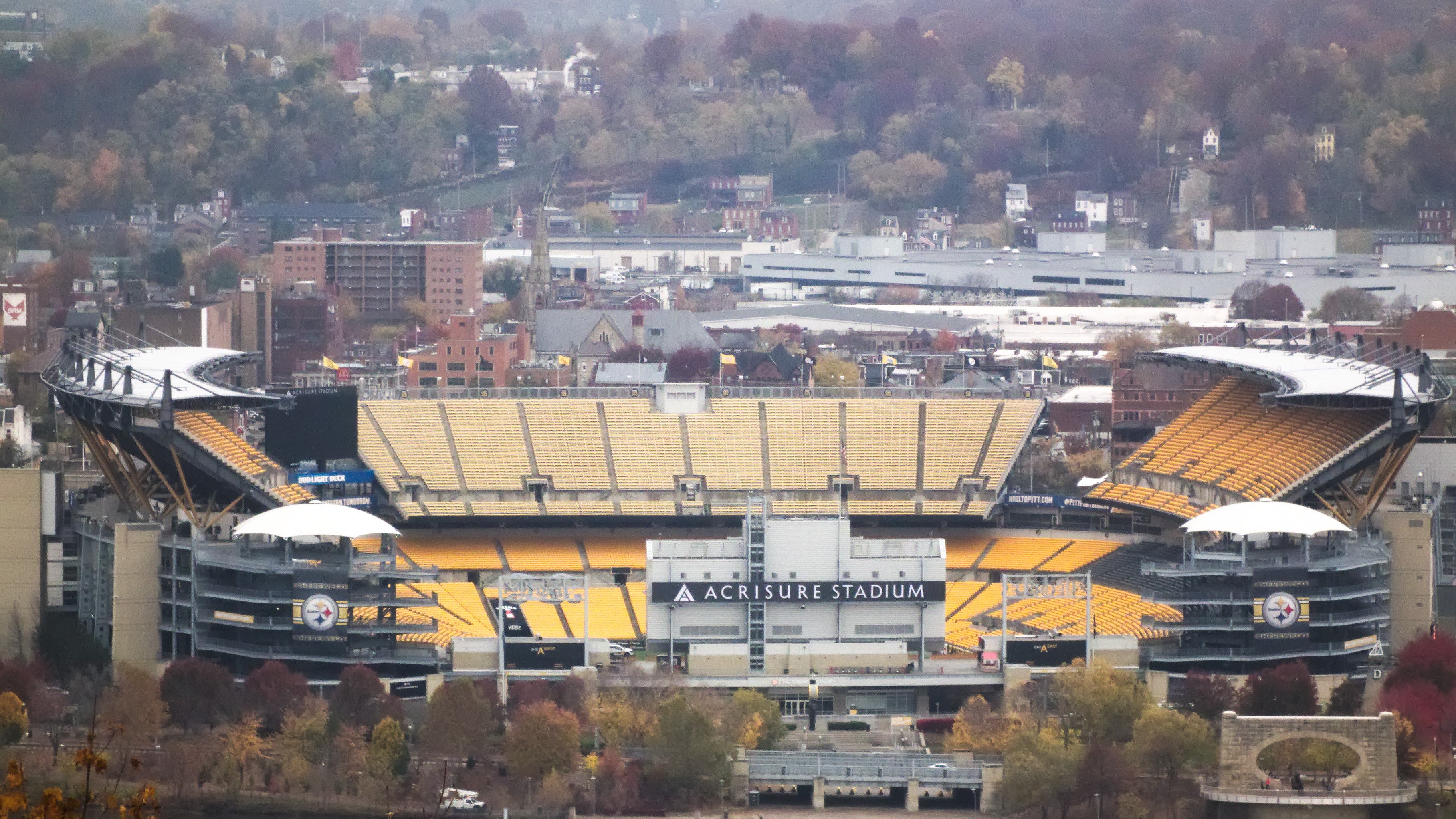
The Blind Side Doesn't Move
By the national count, Pittsburgh is the last team in the NFL that does not know which quarterback it will see on Sunday. It matters less than a week of coverage has implied, because Michael Penix Jr. and Tua Tagovailoa throw with the same hand.