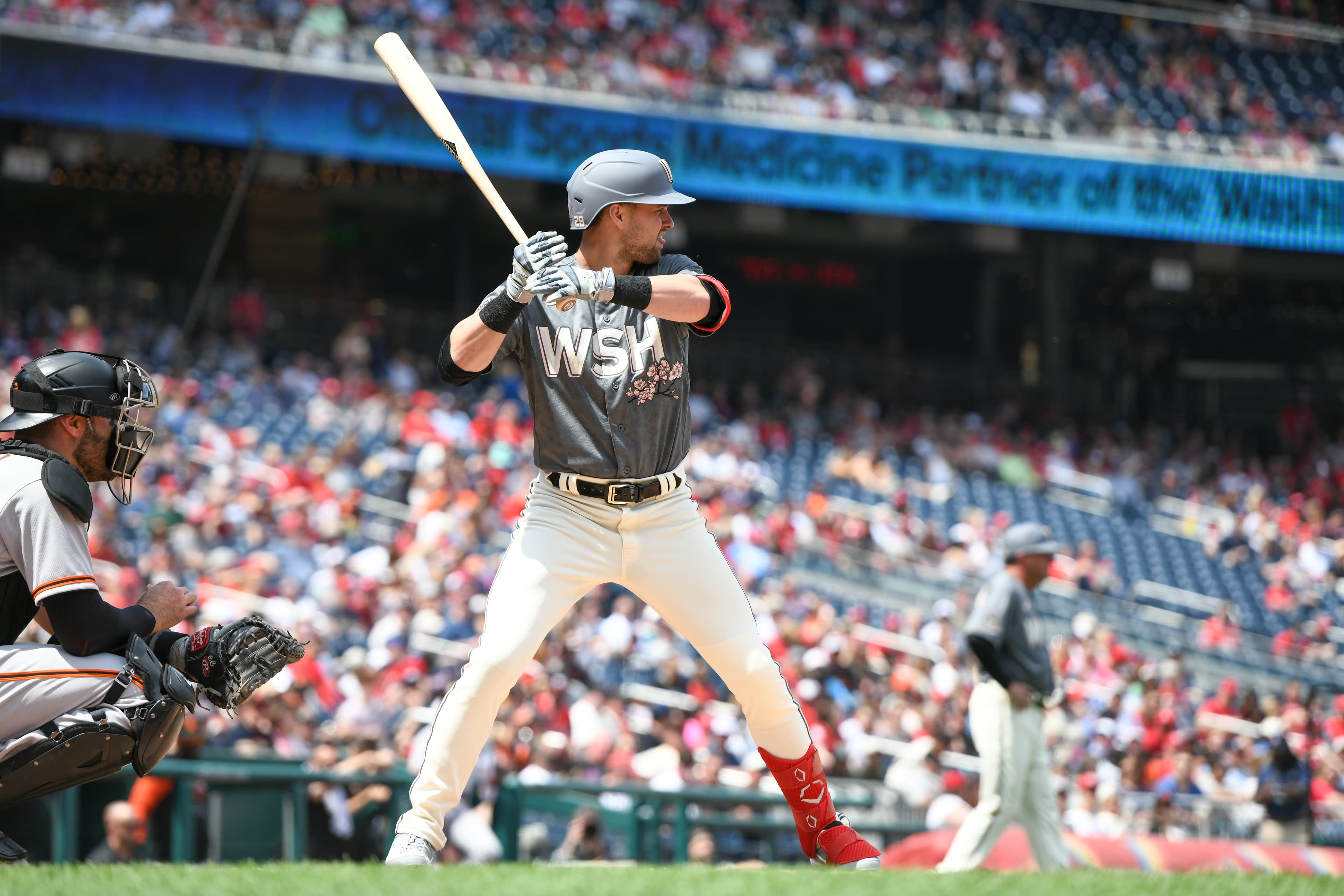
_(51101635899)_(cropped).png&w=3840&q=75) Photo by All-Pro Reels, CC BY-SA 2.0, via Wikimedia Commons
Photo by All-Pro Reels, CC BY-SA 2.0, via Wikimedia CommonsForty Percent and Ten Flips
The Braves rank dead last in baseball at ABS batter challenges and lead the league in strikeout flips. The numbers contain a paradox that matters more than the record suggests.
The Braves' batters have challenged 45 ball-and-strike calls this season. They have won 18. That is a 40 percent success rate, which ranks 30th in Major League Baseball — dead last, behind teams that will not sniff October, behind teams still sorting out their bullpen, behind everyone.
This is, statistically speaking, not ideal.
But here is where the numbers start telling a story the headline misses. Those 18 successful challenges have produced 10 strikeout flips — calls that turned a third strike into a live at-bat. That is the most among all batting teams in baseball. The Braves are the worst at knowing when to challenge and the best at making challenges matter when they guess right. This is a paradox worth sitting with.
The deeper split is even stranger. On the defensive side, the Braves' catchers are winning 60.9 percent of their challenges, good for 11th in the league. Jonah Heim is 5-for-9. Drake Baldwin has been one of the best in baseball at framing his challenges on borderline calls. The people crouching behind the plate can read the zone. The people standing in the batter's box cannot — or, more precisely, they can read the zone but cannot read the moment.
This is a timing problem dressed as a talent problem.
Consider the run-value math. A challenge on a full count — 3-2, the at-bat hanging by a thread — swings roughly 0.730 runs in expected value. The difference between ball four and strike three is the difference between a baserunner and a seat on the bench. A challenge on the first pitch of an at-bat? That swings 0.07 runs. The count goes from 0-1 to 1-0, or vice versa. Meaningful over a season, if you squint. Nearly invisible in a single game.
The Braves have been spending their challenges on first pitches. They challenged three times in the first inning during one early-season stretch. By the fourth inning, they had nothing left — two challenges burned, both lost, the rest of the game played under the original system. Mauricio Dubon carries a -3.3 Overturns vs. Expected mark, the worst in baseball, meaning he systematically challenges pitches that are not close. Matt Olson has won roughly 20 percent of his challenges, many of them on early counts where the payoff barely registers.
Compare this with what Ozzie Albies and Michael Harris II have done. Both carry positive challenge value. Albies overturned a curveball against Arizona — a pitch barely an inch outside the zone on a two-strike count — and the inning that followed produced eight runs. That is the kind of challenge that bends a game. The Braves have the batters who can identify borderline pitches. They just have not built the discipline to save their challenges for the moments those identifications are worth the most.
Tonight offers the contrast in real time. Arizona comes to Truist Park ranked second in overall ABS challenge success at 61.0 percent. The Diamondbacks built their approach around restraint — challenge less, challenge later, challenge only when the count demands it. The Braves, 73-48 and running away with the NL East, have built their approach around something closer to instinct. For a team winning at this rate, instinct has been enough.
The question is whether enough is enough in October. A seven-game series is a small sample, and small samples punish inefficiency. One wasted challenge in the third inning of a playoff game — one burned read on a first-pitch slider that was never going to be overturned — means nothing is left for the ninth, when Chris Sale's counterpart hangs a breaking ball on a full count and the difference between a strikeout and a walk is the difference between going home and playing tomorrow.
The Braves have improved from 27 percent in the season's first three weeks to 40 percent now. They are getting better. They are still the worst team in baseball at this. For a contender, that gap between progress and proficiency is where October lives.
The Tilt
Dead last at challenges, first in making them count. That is not an accident.
— Ellis Magnolia
What's your take?
Ellis Magnolia
Numbers & narrative — statistical depth worn lightly, literary pacing.
Keep Reading
I Said Bookmark It
I published the receipts on August 12. Yesterday, the same Yahoo Sports that called the deadline disappointing ran 'Major Success' as their headline.

Name a Deeper Rotation. I'll Wait.
ESPN ranked the Braves third after the deadline and spent the segment on what they didn't get. Nobody stopped to count the seven viable starters already in the system.
Seven Arms for Five Spots
The Braves went from three healthy starters and a March rotation crisis to seven viable arms competing for five spots by August. Each case tells a different story about the distance between abundance and actual depth.